Artsound OÜ
ArtSound OÜ Complete Car Soundproofing – What is it and why do you need it?
Complete soundproofing (combined with vibration damping) is a process designed to minimize noise and resonance entering the vehicle. The result is a quieter, more comfortable, and “tighter” driving experience. Furthermore, audio system quality improves drastically because speakers can perform without interference from vibrating door panels and cabin drone.
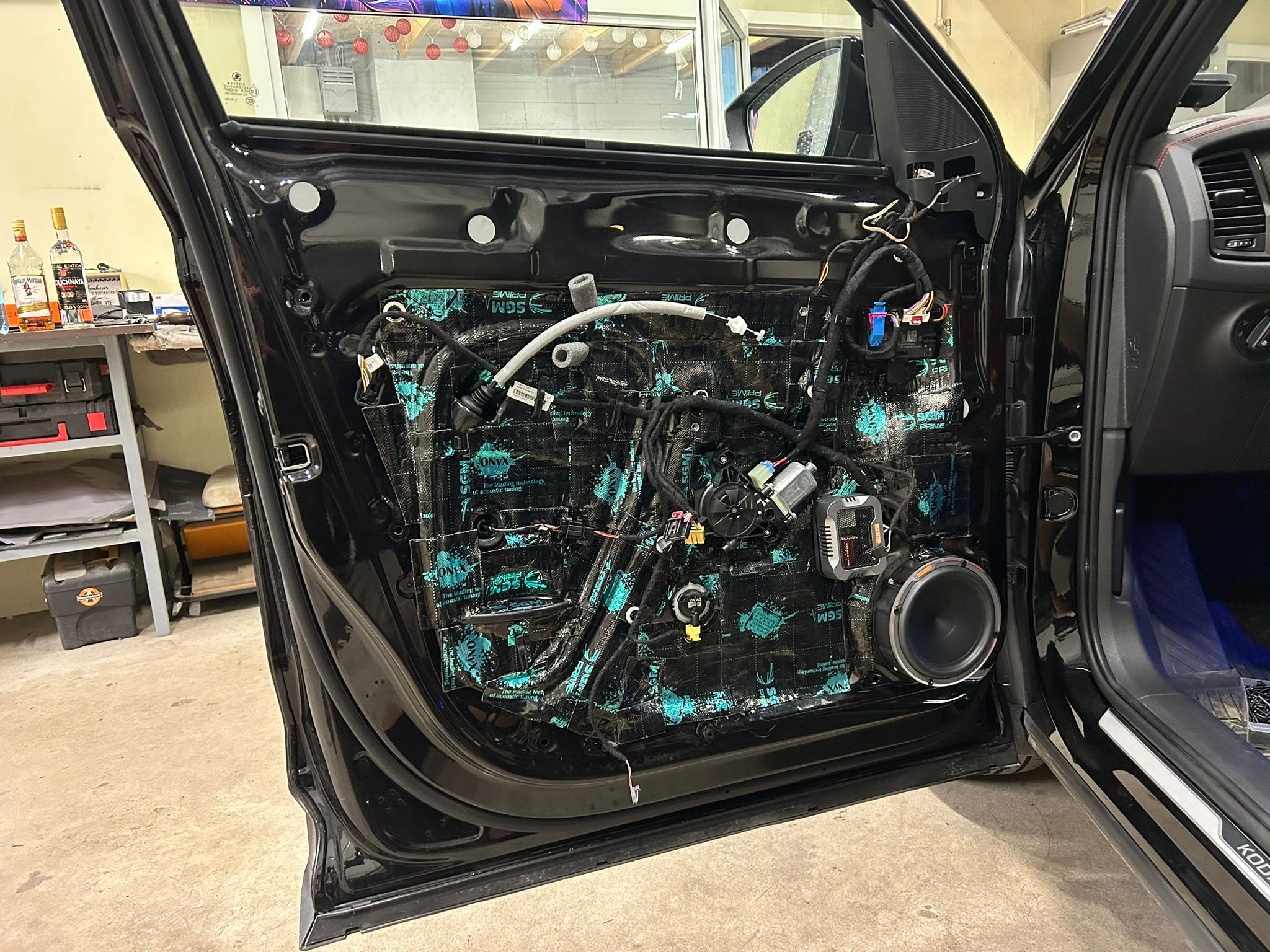
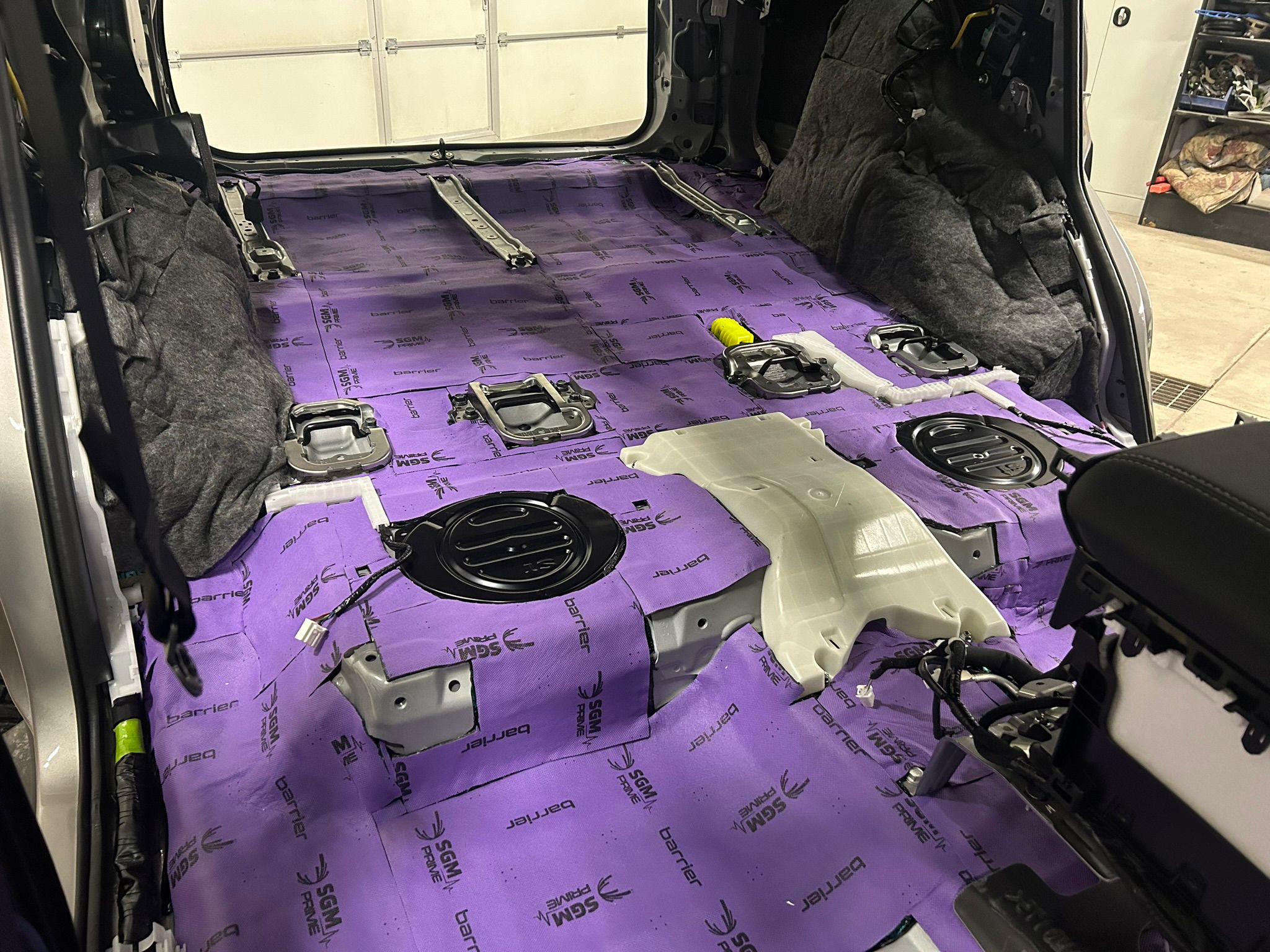
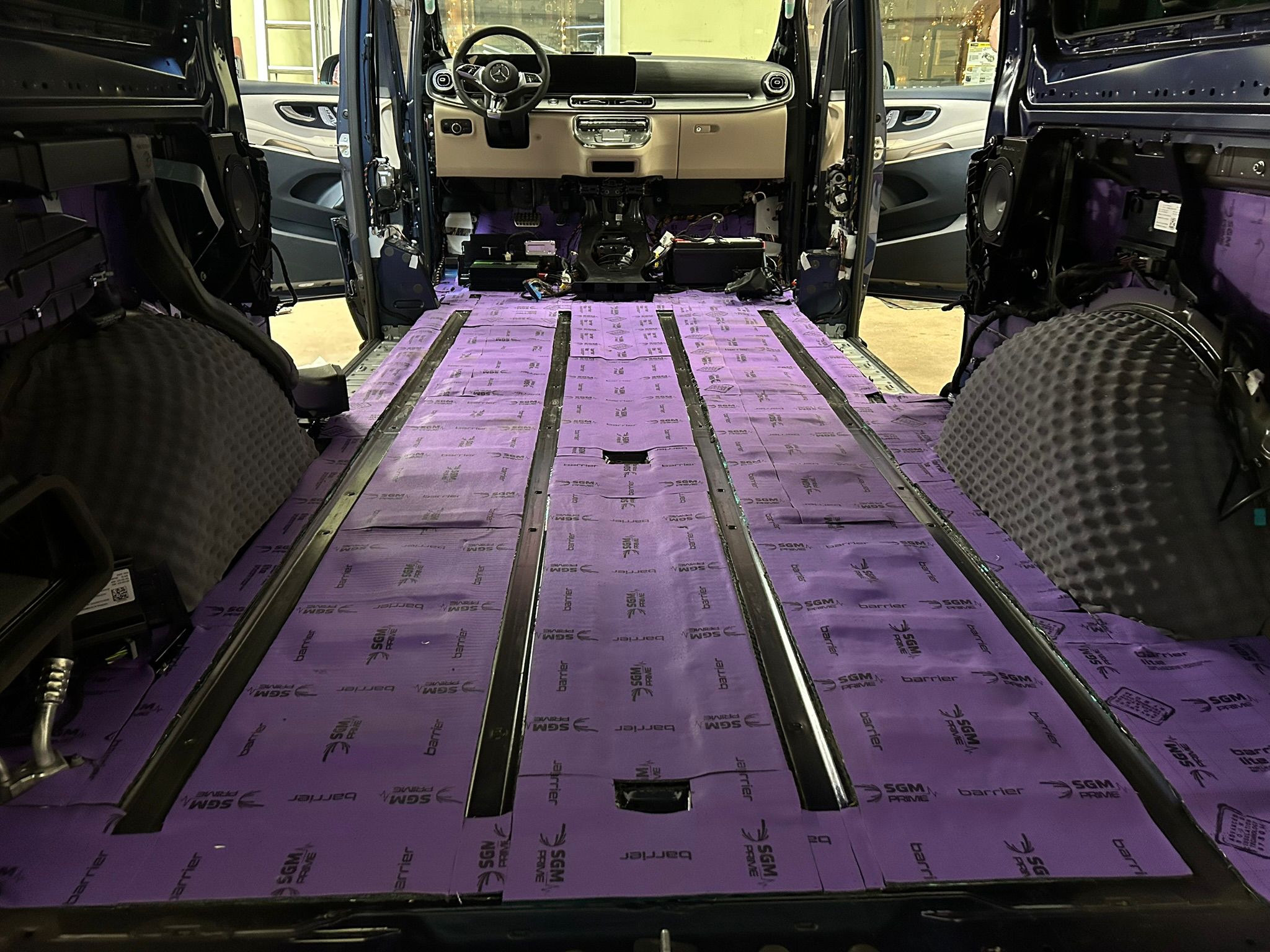
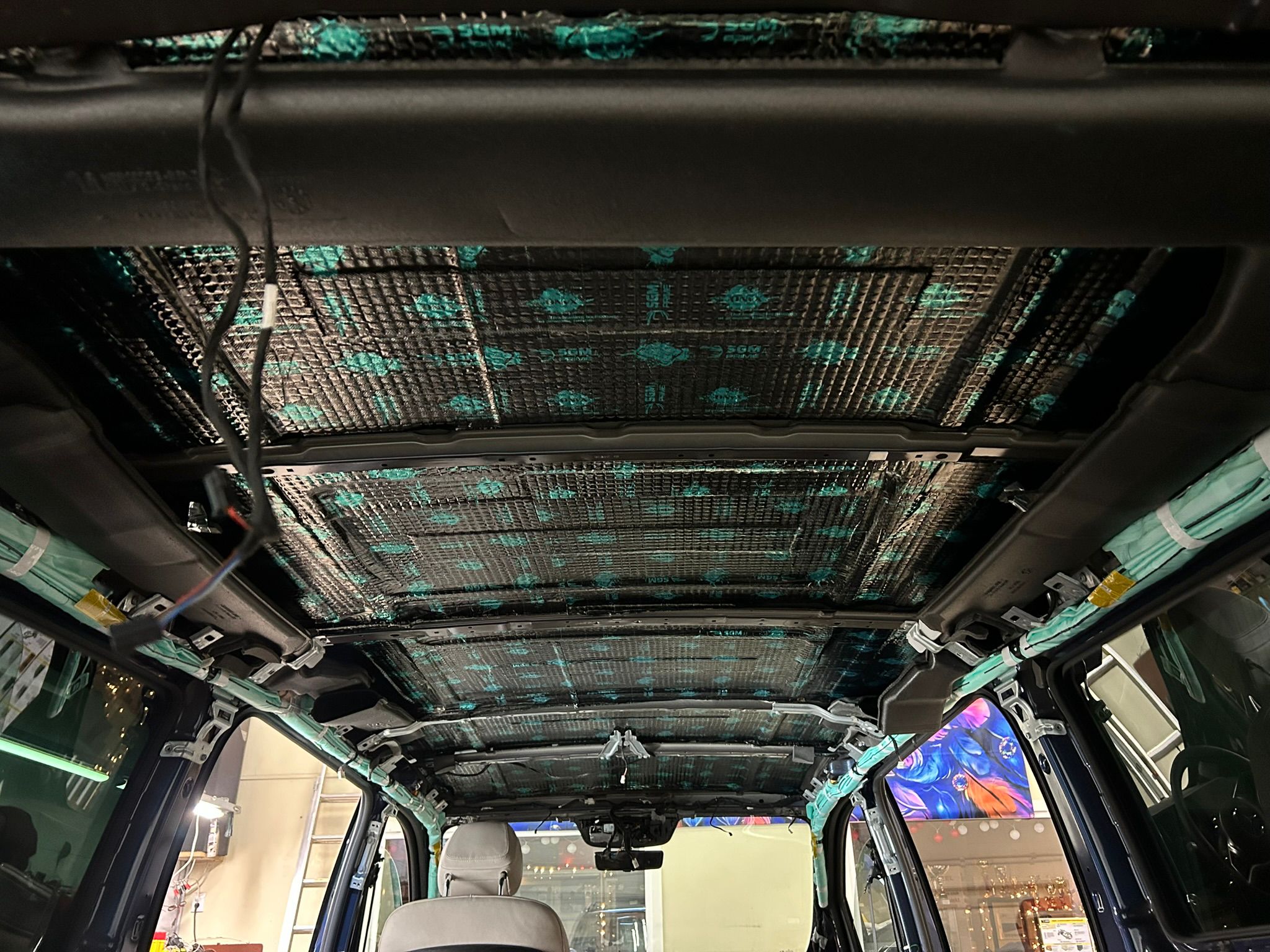
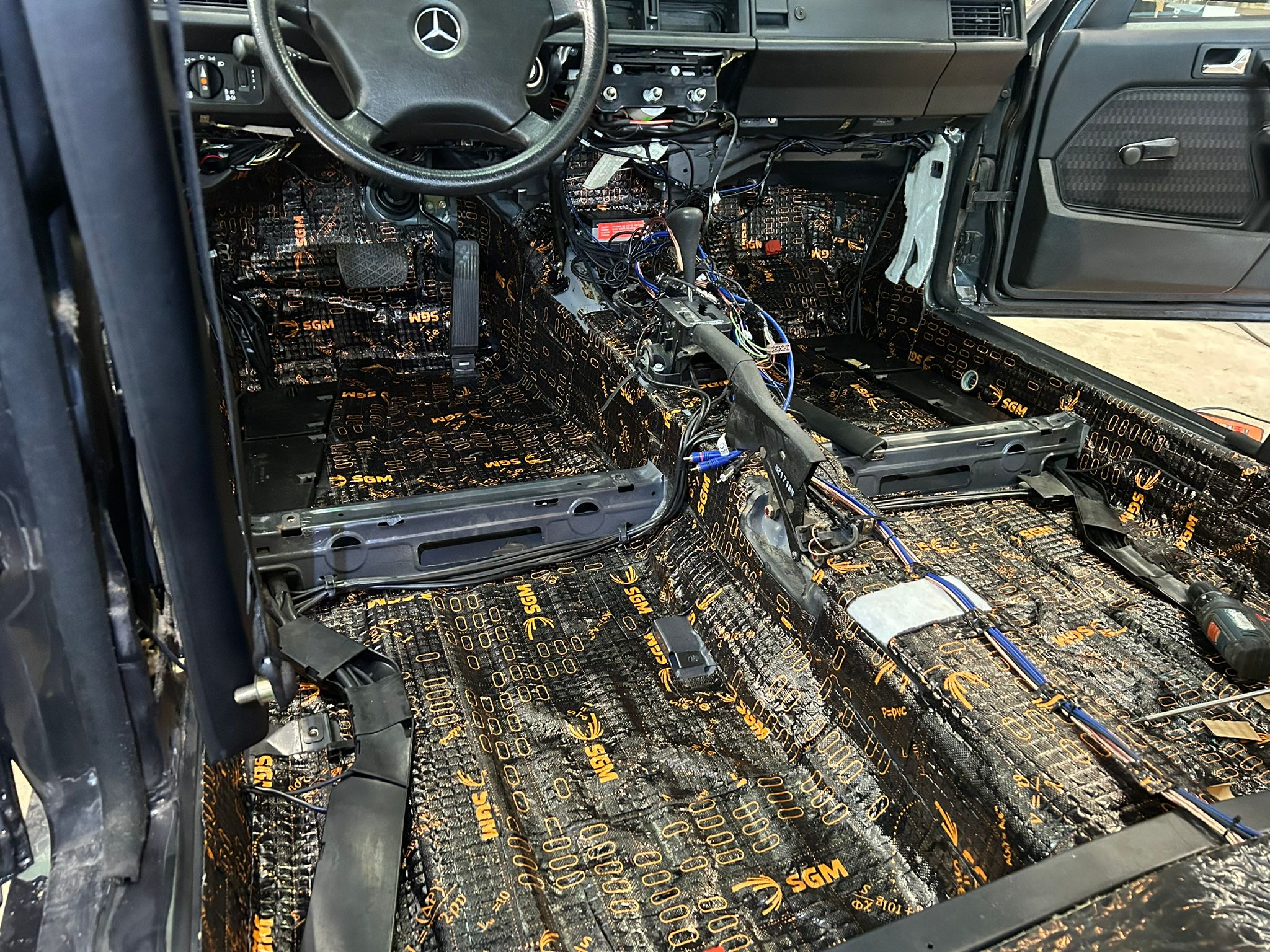
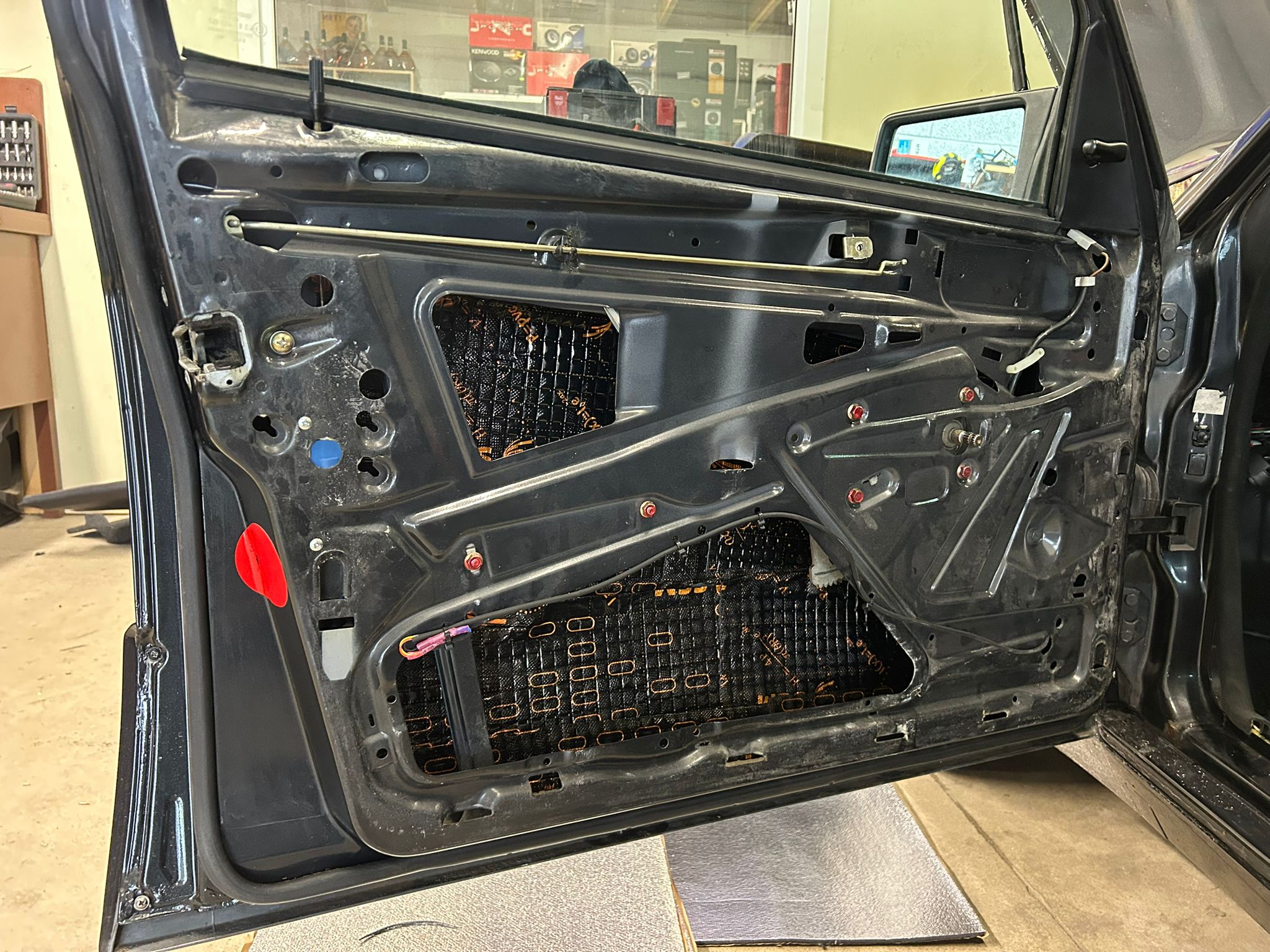
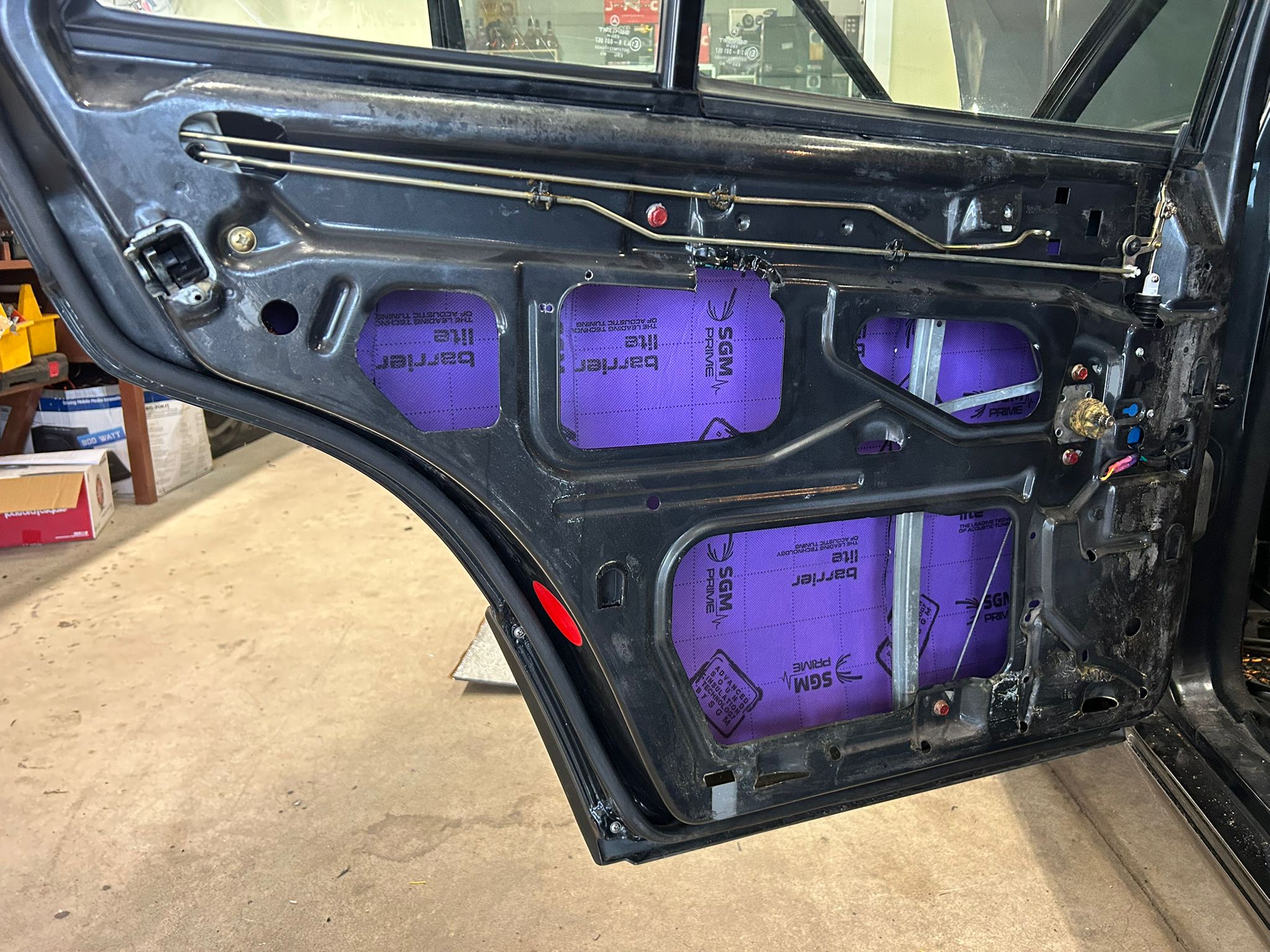
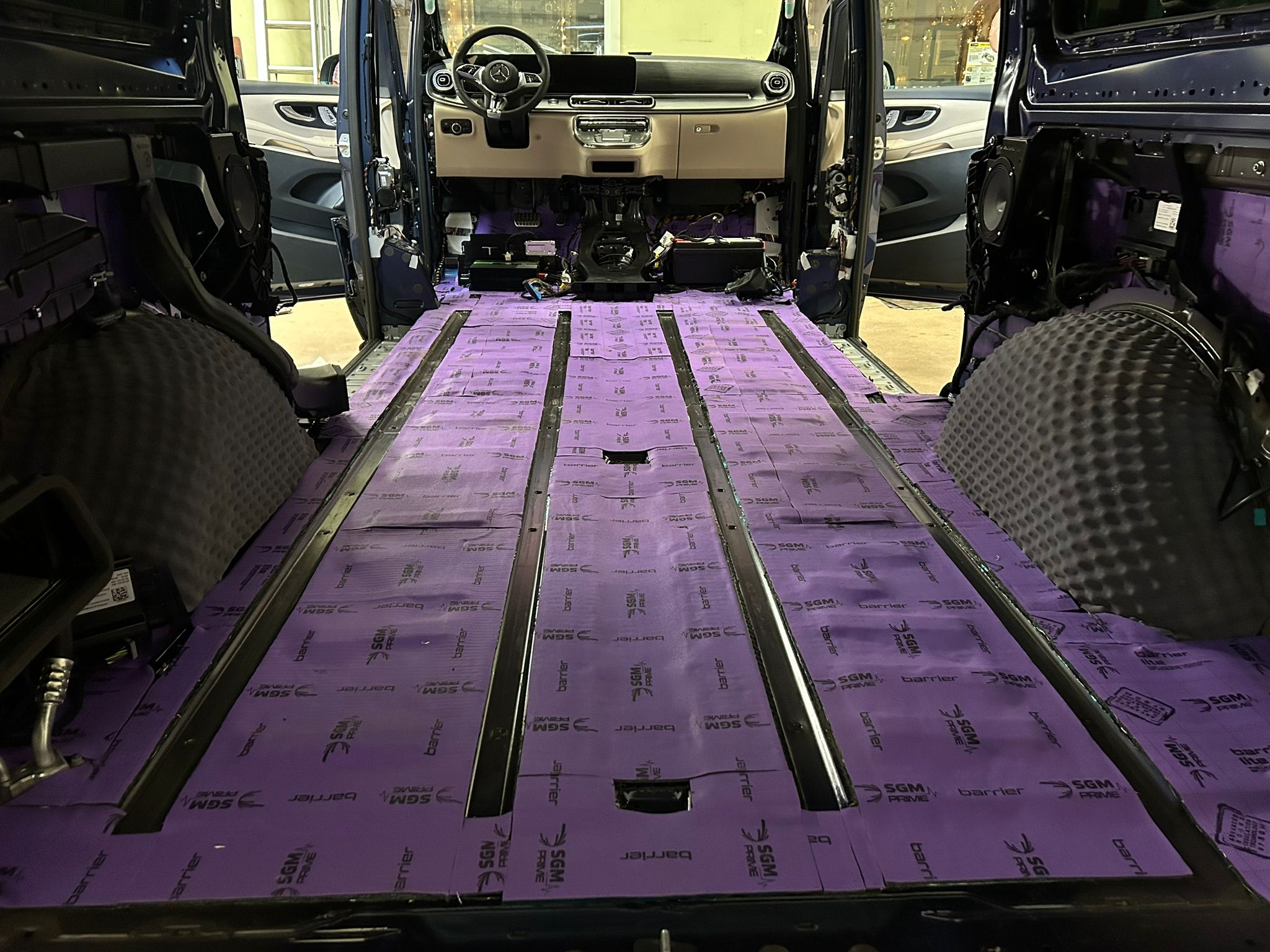
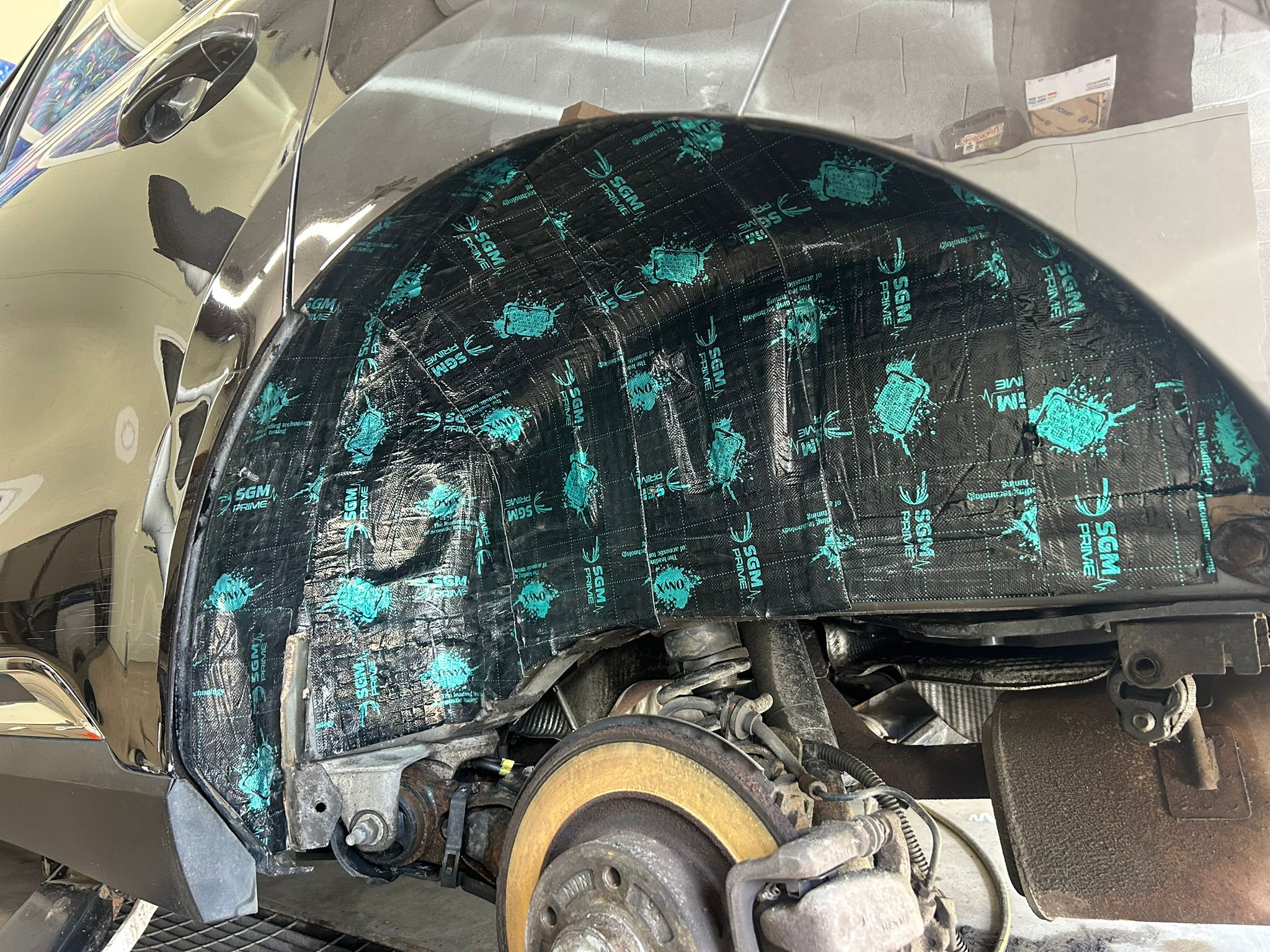
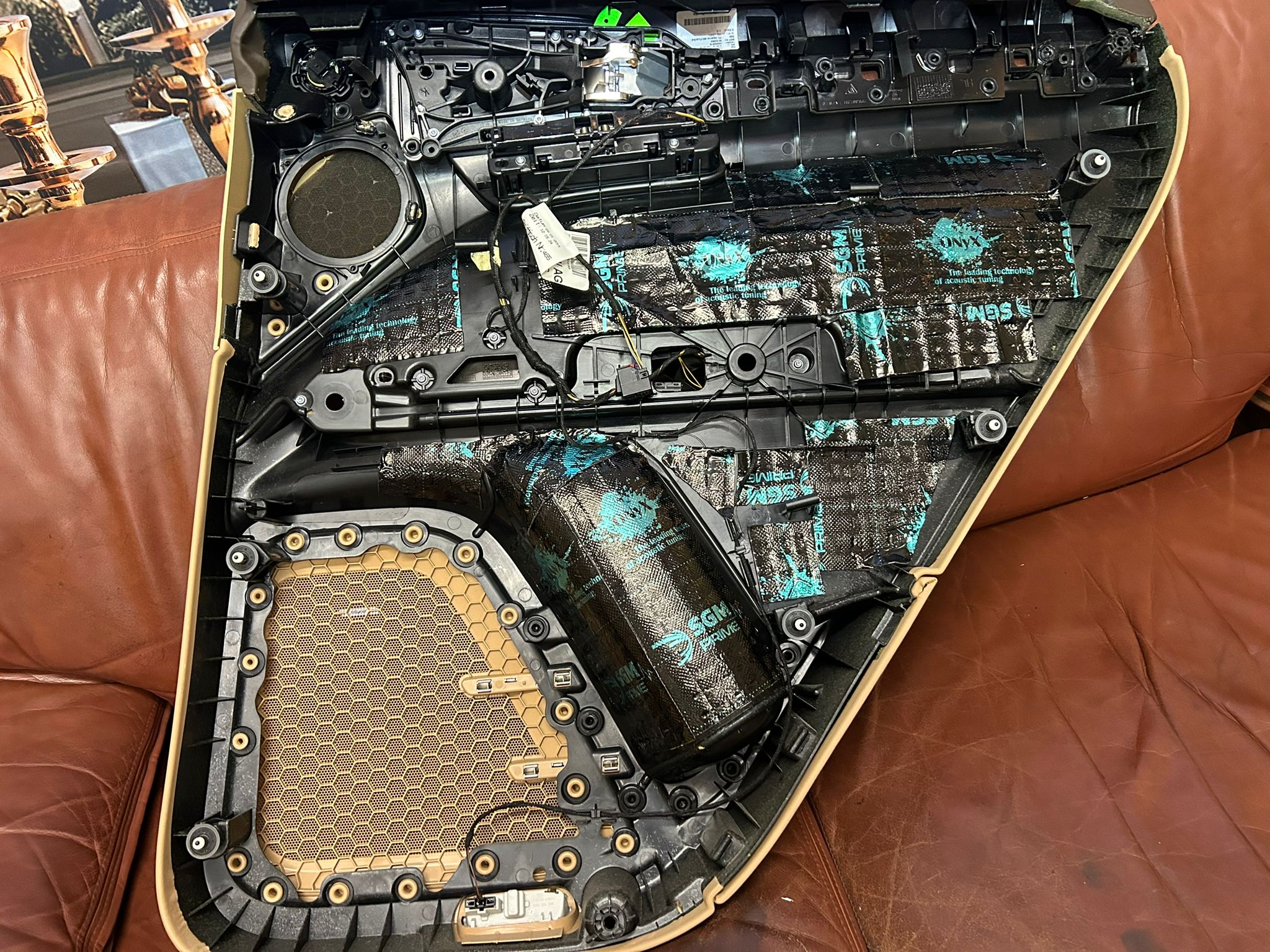
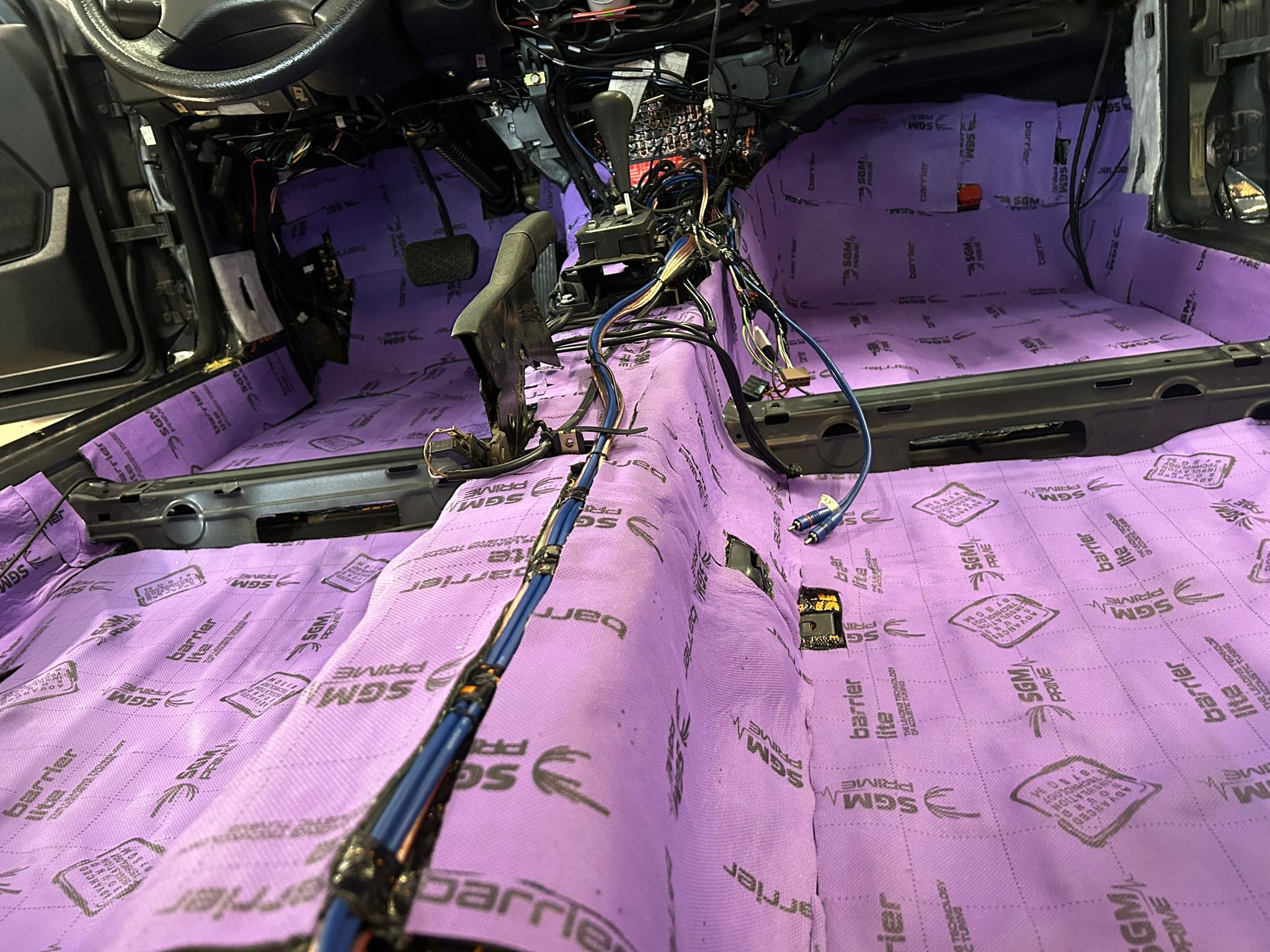
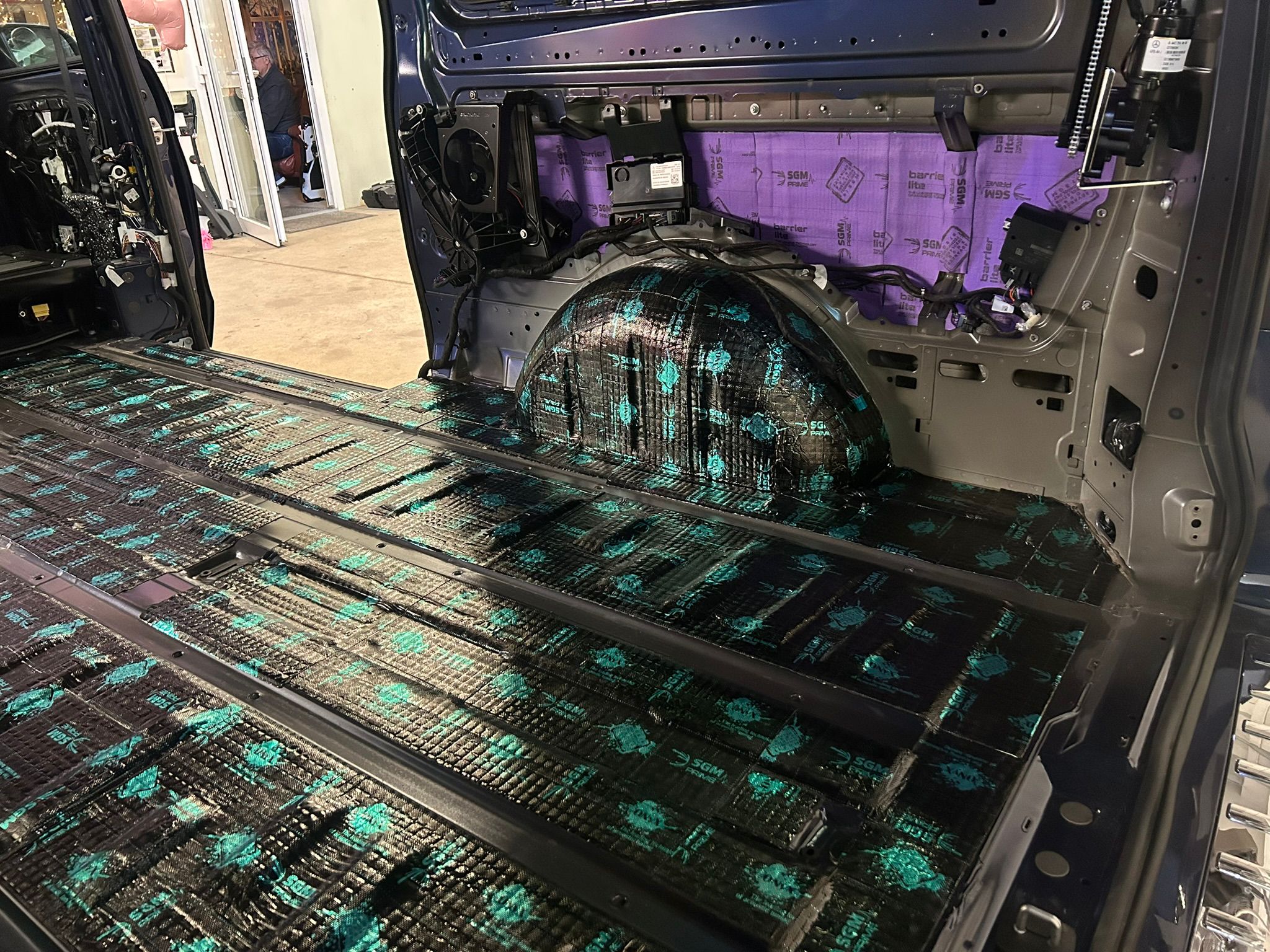
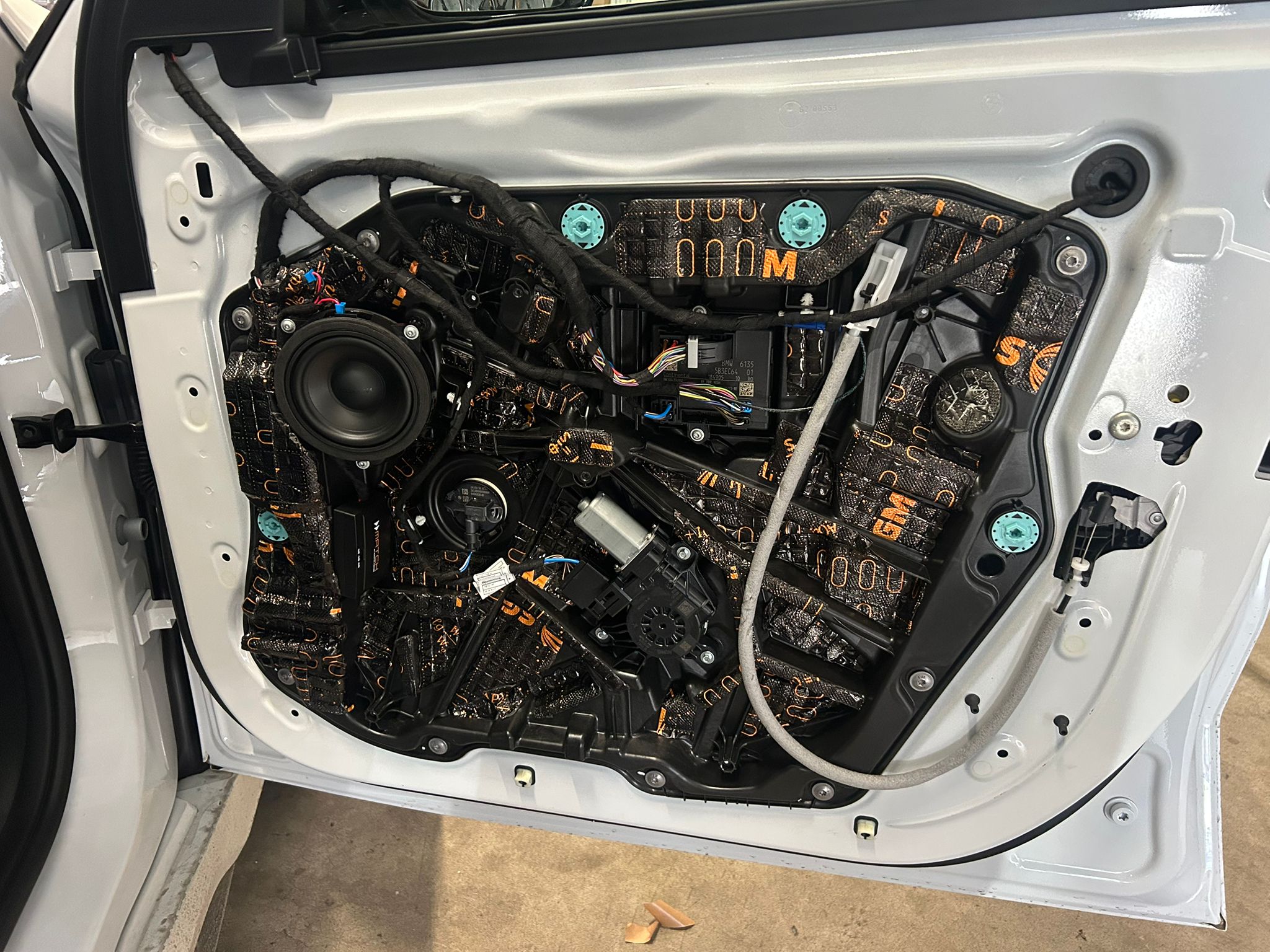
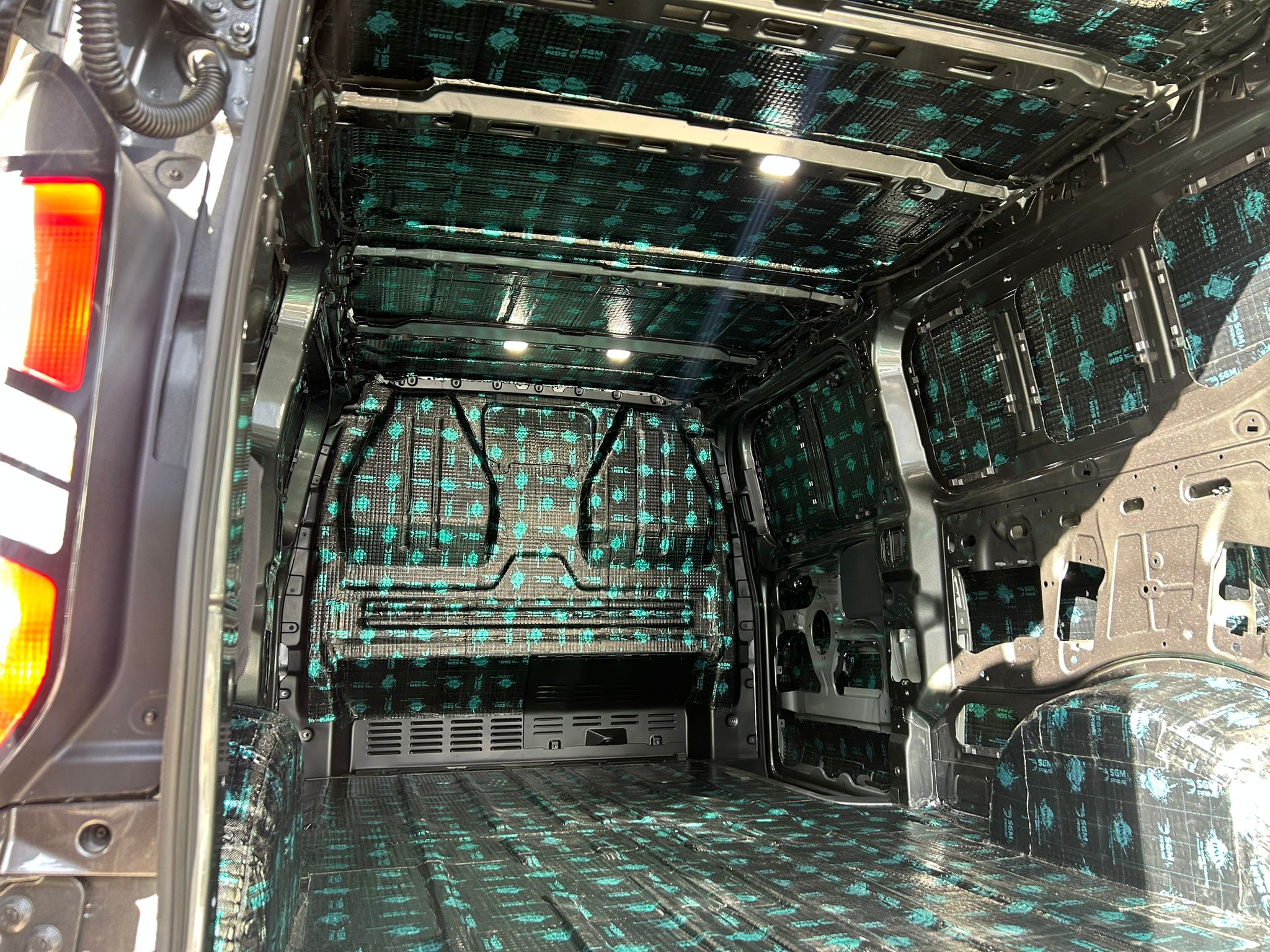
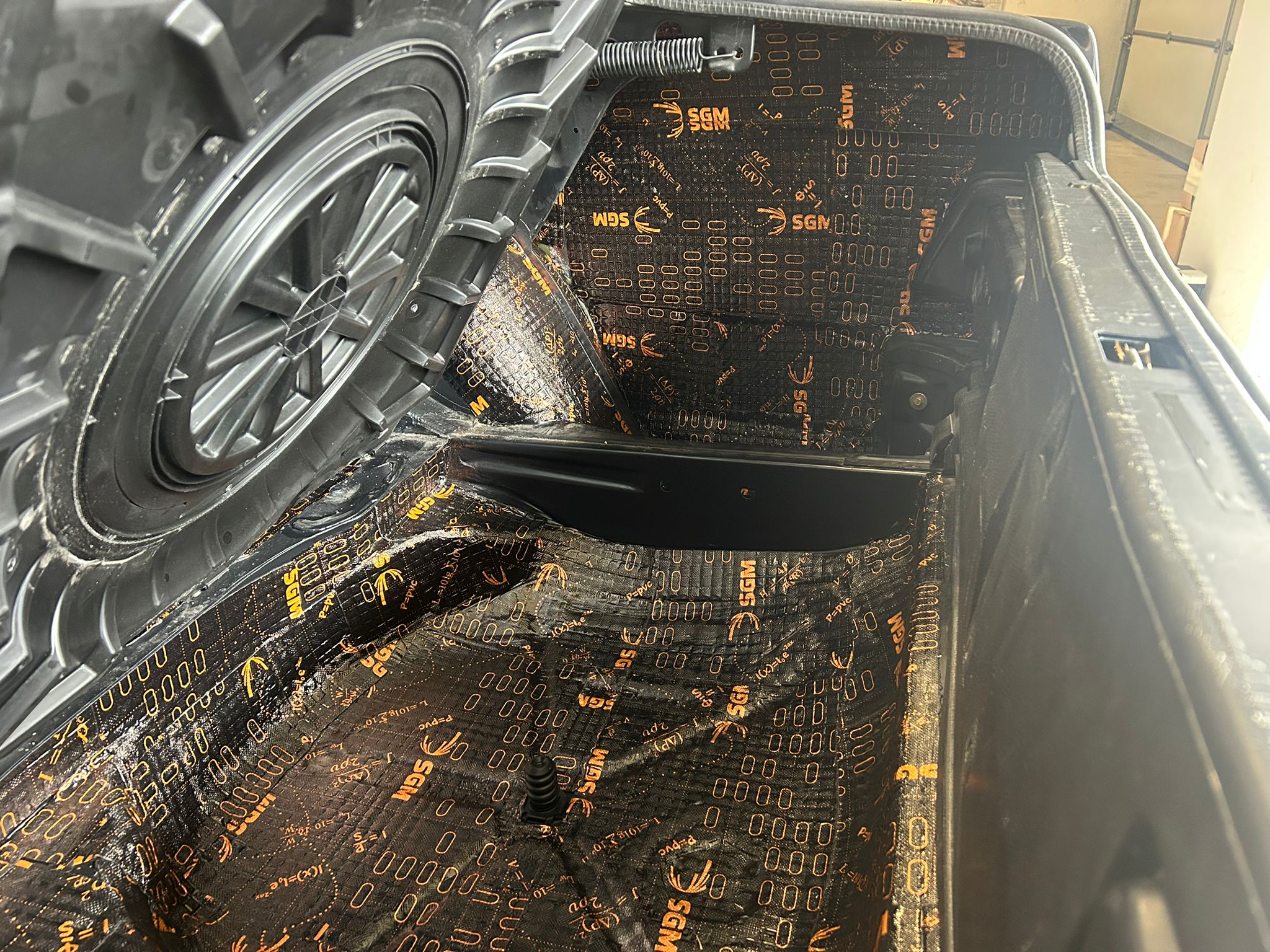
Brief Overview of Our Work
Where does noise enter the car?
Noise isn’t just "tire noise" – several types of noise are generated and transmitted in a car
Vibration and Resonance (body panels): Thin metal panels begin to vibrate at certain frequencies, creating a drone and shake.
Airborne Noise: Wind, traffic, engine, other cars – especially audible on the highway.
Tire and Road Noise: Especially loud with studded tires, on rough asphalt, or gravel roads.
Wheel Arches and Undercarriage: The main source of noise at high speeds and on rough roads.
Noise through Doors: Large surfaces, openings, and technological voids inside the door let noise in.
City vs. Highway Noise – What’s the difference?
In the City (lower speeds): You hear more engine noise, other cars, braking/accelerating, potholes, and trams. There are many "short impacts" and vibrations.
On the Highway (higher speeds): Wind noise + tire noise + wheel arch noise dominate. A constant, uniform background drone develops, which is the most tiring factor.
If we reduce this background noise
ou can rest more while driving.
Conversation is easier (no need to raise your voice).
Music sounds cleaner, and the bass is controlled.
Where does noise enter the car?
Doors – A critical area for impact
Floor and Tunnel – For comfort and background noise
The floor transmits a lot of road vibration and low-frequency "rumble" into the cabin.
Typical solution:
First layer: Vibration damping (to "calm" the body).
Second layer: Sound isolating/absorbing material (against airborne and background noise).
Result: Noticeably quieter ride, less fatiguing low-frequency noise.
Roof – Against wind noise and rain
Wheel Arches – The key to highway silence
Trunk and Rear Area
Why use multiple layers?
One material cannot solve everything because different problems require different types of layers:
- Vibration Damping = Reduces metal oscillation and resonance (body “drone”).
- Sound Isolation/Barrier = Helps against airborne noise (wind, tires, traffic).
- Sound Absorption = “Eats” echo and high-frequency noise, softening the cabin acoustics.
- Decoupling/Soft Layer = Helps against rattles and plastic friction.
This specific combination creates a “premium” feel: the car isn’t just a bit quieter – it feels more solid and higher quality.
What materials do we use? We use high-quality automotive-specific materials (vibration damping + sound barrier + sound absorption), selecting precise layers based on the car, scope of work, and goals. Some areas need stronger vibration damping, others need more sound barrier or soft absorption – there is no “one recipe for all.”
Why is this crucial for the audio system? A good sound system isn’t just expensive speakers and an amplifier. If the doors/chassis “play along,” then:
- Bass becomes muddy.
- Doors and plastics start to vibrate.
- The soundstage disappears; sound becomes unclear at higher volumes.
With soundproofing:
- The speaker operates in a stable environment.
- Mid-bass becomes punchier.
- The entire sound is clearer, even at lower volumes.
Summary: What does the client actually feel?
- Less tiring background noise (especially on the highway).
- Easier to converse and enjoy the drive.
- The car feels “tighter,” more solid, and higher quality.
- Audio system sound improves noticeably.
- Fewer rattles, resonance, and clatter.
If desired, we can also perform partial work (e.g., only doors + wheel arches) or a full package. A complete solution always yields the most consistent result because noise isn’t left entering from “just one place.”